Hỗ trợ du lịch Nhật Bản, do người Nhật viết.

Kuroko's Japan
Kuroko's JapanCách xử lý 100 rắc rối khi du lịch

Dành cho du khách

Dị ứng thực phẩm

Những điều Dị ứng thực phẩm nên biết ở Nhật Bản, từ trước khi bay đến khi gặp sự cố.

Tất cả vấn đề
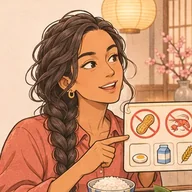
  • Cho Dị ứng thực phẩm: Write your allergy in the request box when you book, in Japanese if you can. The kitchen sees it before you arrive, which is safer than explaining at the table.

  • Cho Dị ứng thực phẩm: Write every allergen on the card, including the ones you think are obvious. Staff will check against the card, not against what you said.

  • RyokanTrong chuyến đi
    Trong chuyến đi

    Staying at a ryokan: etiquette, meal times and futons

    Arrive in time for dinner, usually served at a set time between 5:30 and 7 pm, and tell the ryokan about dietary needs when you book. Take shoes off at the entrance, wear the yukata provided (left side over right), and staff will lay out your futon while you're at dinner or in the bath.

    Ryokan

    Cho Dị ứng thực phẩm: Tell the ryokan when you book, not on arrival. Kaiseki dinners are prepared in advance and can't be changed at the table.

  • Cho Dị ứng thực phẩm: Add your allergy to the note for the front desk, so it is passed on in the same call.

  • IzakayaTrong chuyến đi
    Trong chuyến đi

    Izakaya basics: the table charge, the dish you didn't order, and all-you-can-drink

    The small dish that arrives first is otōshi, a seat charge served as food, usually JPY 300 to 700 per person, and it's normal. All-you-can-drink deals (nomihōdai) have a time limit and often require the whole group to join. Order in rounds, and pay at the register.

    Izakaya

    Cho Dị ứng thực phẩm: Otōshi is chosen by the kitchen. If you have an allergy, ask what it is before you eat it, or ask them to skip it.

  • Cho Dị ứng thực phẩm: Stall food is cooked on shared griddles in shared oil. If you have a serious allergy, festival stalls are high risk.

  • Cho Dị ứng thực phẩm: If staff hesitate or say 分かりません (wakarimasen, "we don't know"), treat it as a no. A clear no at the door protects you.

  • Dị ứng thực phẩmKhi gặp sự cốGấp
    Khi gặp sự cốGấp

    Having an allergic reaction in Japan: what to do

    Use your adrenaline auto-injector if you have one, call 119 and say "kyūkyū desu" (it's a medical emergency), and show the staff your allergy card so they can tell the paramedics what you ate.

    Dị ứng thực phẩm

    Cho Dị ứng thực phẩm: Keep your allergy card in the same pocket as your injector. Paramedics will ask what you ate, and the card answers in Japanese.

Theo dõi Kuroko để biết những quy tắc ngầm của Nhật Bản

Video ngắn và mẹo nhanh. Mỗi vấn đề, một cách xử lý.

Chọn ngôn ngữ của bạn