
Pomoć za putovanje po Japanu, piše je Japanac.

Kuroko's Japan
Kuroko's JapanRešenja za 100 problema na putu

Putujem kao

Alergije na hranu

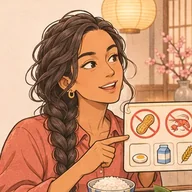
Alergije na hranu: šta treba da znate u Japanu, od pre leta do trenutka kad nešto pođe naopako.

Svi problemi
  • Za: Alergije na hranu Write your allergy in the request box when you book, in Japanese if you can. The kitchen sees it before you arrive, which is safer than explaining at the table.

  • Za: Alergije na hranu Write every allergen on the card, including the ones you think are obvious. Staff will check against the card, not against what you said.

  • RyokanTokom putovanja
    Tokom putovanja

    Staying at a ryokan: etiquette, meal times and futons

    Arrive in time for dinner, usually served at a set time between 5:30 and 7 pm, and tell the ryokan about dietary needs when you book. Take shoes off at the entrance, wear the yukata provided (left side over right), and staff will lay out your futon while you're at dinner or in the bath.

    Ryokan

    Za: Alergije na hranu Tell the ryokan when you book, not on arrival. Kaiseki dinners are prepared in advance and can't be changed at the table.

  • Za: Alergije na hranu Add your allergy to the note for the front desk, so it is passed on in the same call.

  • Za: Alergije na hranu Otōshi is chosen by the kitchen. If you have an allergy, ask what it is before you eat it, or ask them to skip it.

  • Ulična hrana i festivalski štandoviTokom putovanja
    Tokom putovanja

    Eating at Japanese street stalls and festivals

    Festival stalls (yatai) are cash only, so bring coins and JPY 1,000 notes. Eat standing next to the stall or in a designated area rather than while walking through the crowd, and carry your trash until you find the festival's bins.

    Ulična hrana i festivalski štandovi

    Za: Alergije na hranu Stall food is cooked on shared griddles in shared oil. If you have a serious allergy, festival stalls are high risk.

  • Alergije na hranuTokom putovanja
    Tokom putovanja

    Eating out in Japan with a food allergy: what actually works

    Show a Japanese allergy card at the door before you sit down, ask about soy sauce and dashi stock, and leave politely if staff can't confirm. Packaged food is safer than restaurant food because its allergens must be labelled.

    Alergije na hranu

    Za: Alergije na hranu If staff hesitate or say 分かりません (wakarimasen, "we don't know"), treat it as a no. A clear no at the door protects you.

  • Alergije na hranuKad nešto pođe naopakoHitno
    Kad nešto pođe naopakoHitno

    Having an allergic reaction in Japan: what to do

    Use your adrenaline auto-injector if you have one, call 119 and say "kyūkyū desu" (it's a medical emergency), and show the staff your allergy card so they can tell the paramedics what you ate.

    Alergije na hranu

    Za: Alergije na hranu Keep your allergy card in the same pocket as your injector. Paramedics will ask what you ate, and the card answers in Japanese.

Pratite Kuroko i saznajte nepisana pravila Japana

Kratki video-snimci i brzi saveti. Jedan problem, jedno rešenje, svaki put.

Izaberite jezik