Допомога в подорожі Японією від корінного японця.

Kuroko's Japan
Kuroko's JapanРішення 100 проблем у подорожі

Архів

Усі посібники

Усі посібники, спершу нові.

  1. ШинкансенПеред поїздкоюТерміново
    Перед поїздкоюТерміново

    Big suitcase on the Shinkansen: the 160 cm rule and the ¥1,000 fee

    On the Tokaido, Sanyo and Kyushu Shinkansen, a bag over 160 cm (height + width + depth) needs a reserved seat with an oversized baggage area. Without one you pay ¥1,000 on board. Bags over 250 cm aren't allowed.
    Шинкансен
  2. Жінки, що подорожують саміПід час поїздки
    Під час поїздки

    Women travelling alone in Japan: trains, nights and groping

    Japan is generally very safe for women, but groping (chikan) on crowded trains happens. Use women-only cars in rush hour, shout or say 'chikan!' if it happens, and report it to station staff or police. At night, central areas are busy and lit; use taxis from station ranks if you feel unsure.

    Жінки, що подорожують самі
  3. Доступність для візківПеред поїздкоюТерміново
    Перед поїздкоюТерміново

    Wheelchair travel in Japan: trains, ramps and calling ahead

    Tell station staff at the gate where you're going. They'll put down a ramp, call your destination station, and staff there will meet you at the train door. Most big stations have lifts, but older stations, temples and small restaurants often don't, so check ahead.

    Доступність для візків
  4. Торгові автомати та питна водаПід час поїздки
    Під час поїздки

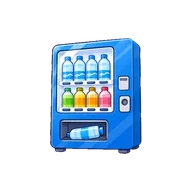
    Drinking water in Japan: tap water, refills and vending machines

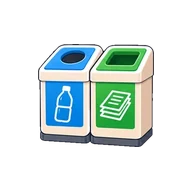
    Tap water is safe to drink all over Japan. Refill a bottle at your hotel or at the drinking fountains found in many parks and stations. Vending machines are everywhere, and their recycling bins next to them take only bottles and cans.

    Торгові автомати та питна вода
  5. Вегетаріанство та веганствоПід час поїздки
    Під час поїздки

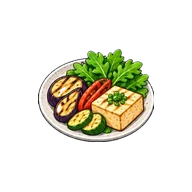
    Vegetarian or vegan in Japan: the fish stock problem

    Almost everything savoury in Japan is made with dashi, a stock usually made from bonito fish, so 'no meat' isn't enough. Ask about dashi specifically, look for shōjin ryōri (temple food) and dedicated vegan places, and use a card that explains it in Japanese.

    Вегетаріанство та веганство
  6. Оренда житла та самостійне заселенняПеред поїздкоюТерміново
    Перед поїздкоюТерміново

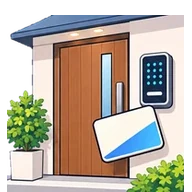
    Vacation rentals in Japan: getting the key, finding it, and the trash rules

    Read the host's check-in message before you travel: save the exact address, building photos and key box code offline. Japanese law requires hosts to check foreign guests' passports, often by photo upload. Follow the trash sorting and collection-day rules exactly, and keep noise down at night.

    Оренда житла та самостійне заселення
  7. Тайфуни, сильні дощі та снігПід час поїздкиТерміново
    Під час поїздкиТерміново

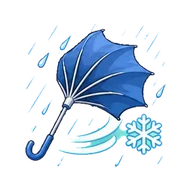
    A typhoon is coming during your trip: what to do

    When railways announce 計画運休 (planned suspension), move your travel to the day before, or stay put until the day after. On the day itself, stay indoors with food and water, keep your phone charged, and follow official warnings, not social media.

    Тайфуни, сильні дощі та сніг
  8. Сміття та смітникиПід час поїздки
    Під час поїздки

    Where to throw away rubbish in Japan

    Public bins are very rare in Japan. Carry a small bag for your rubbish, use the bins at convenience stores and next to vending machines for things that fit, and take the rest back to your hotel. Where there are bins, sort into burnable, plastic bottles and cans.

    Сміття та смітники
  9. Затримки та скасування потягівПід час поїздкиТерміново
    Під час поїздкиТерміново

    The train has stopped and the announcements are only in Japanese

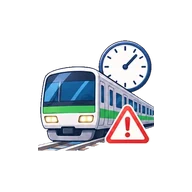
    Look for four words on the station screens: 運転見合わせ (suspended), 遅延 (delayed), 運休 (cancelled) and 振替輸送 (use another line). Then check the railway's official app, and ask staff for the detour if a line is suspended.

    Затримки та скасування потягів
  10. Затримки та скасування потягівКоли щось пішло не такТерміново
    Коли щось пішло не такТерміново

    Line suspended in Japan: using another line for free (and the Suica catch)

    When 振替輸送 (furikae yusō) is announced, a paper ticket or rail pass for the suspended section lets you ride the listed detour lines free: show it at a staffed gate. Paying with Suica, PASMO or a credit card tap doesn't count, so you pay the detour fare yourself.

    Затримки та скасування потягів
  11. ТуалетиПід час поїздки
    Під час поїздки

    Japanese toilets: the buttons, squat toilets and finding one

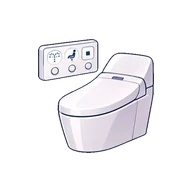
    The main buttons are 止 (stop, usually orange or red), おしり (bidet spray), ビデ (front spray) and 流す or 大/小 (flush, big/small). If you can't find the flush, look for a button or sensor on the wall, not the toilet. Free, clean toilets are in every station, convenience store and department store.

    Туалети
  12. Чайові та етикет оплатиПід час поїздки
    Під час поїздки

    Tipping in Japan: don't, and how to pay instead

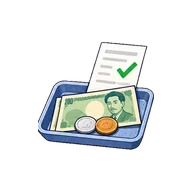
    Don't tip in Japan: restaurants, taxis, hotels and hairdressers don't expect it, and leaving money often leads to staff chasing you to return it. Pay at the register, put cash in the small tray, and say thank you instead.

    Чайові та етикет оплати
  13. Ресторани з квитковими автоматамиПід час поїздки
    Під час поїздки

    Ticket-machine restaurants: how to order at the machine

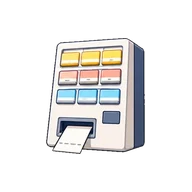
    In ramen, soba and gyūdon shops, you buy a meal ticket from a machine at the door, then hand it to staff. The big buttons with pictures are main dishes; the small ones are extras. Many machines take cash only, often not JPY 10,000 notes, so carry small notes and coins.

    Ресторани з квитковими автоматами
  14. Таксі та застосунки для викликуПід час поїздкиТерміново
    Під час поїздкиТерміново

    Taking a taxi in Japan: getting the driver to the right place

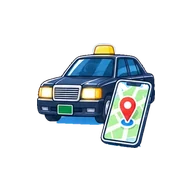
    Don't say the address out loud: show the driver the place name in Japanese on your phone, or better, the phone number. Japanese taxi doors open and close automatically, and most taxis now take cards.

    Таксі та застосунки для виклику
  15. Покупки tax-freeПід час поїздки
    Під час поїздки

    Tax-free shopping in Japan: the new refund system (from November 2026)

    Since 1 November 2026, you pay the full price including consumption tax at tax-free shops, then get the tax back after customs at the airport confirms you're taking the goods out of Japan. You must leave within 90 days of buying, scan your passport at the tax-free kiosk when you depart, and not use up consumables in Japan.

    Покупки tax-free
  16. ТатуюванняПеред поїздкою
    Перед поїздкою

    Tattoos in Japan: onsen, pools and gyms

    Many onsen, public baths, pools and gyms still refuse people with visible tattoos. Look for tattoo-friendly facilities, book a private bath (kashikiri), cover small tattoos with patches where allowed, and always check the rules before you go rather than at the door.

    Татуювання
  17. Високі мандрівники та люди плюс-сайзПеред поїздкою
    Перед поїздкою

    Tall and plus-size travellers in Japan: beds, seats and sizes

    Japanese hotel beds, bathtubs, doorways and seats are smaller than many visitors expect. Book rooms by size and bed dimensions, choose aisle or exit seats on trains and buses, bring enough clothes and shoes from home, and mind your head in old buildings.

    Високі мандрівники та люди плюс-сайз
  18. Супермаркети та продуктиПід час поїздки
    Під час поїздки

    Japanese supermarkets: self-checkouts, bags and labels

    Supermarkets are the cheap way to eat well in Japan. Bags cost extra, many have self-checkouts with an English option, and the best deals are the discount stickers on prepared food in the evening. Learn a few label words to tell what you're buying.

    Супермаркети та продукти

Стежте за Kuroko, щоб знати неписані правила Японії

Короткі відео й швидкі поради. Одна проблема — одне рішення, щоразу.

Виберіть мову