Tulong sa pagbiyahe sa Japan, isinulat ng isang katutubong Hapon.

Kuroko's Japan
Kuroko's JapanSolusyon sa 100 problema sa biyahe

Archive

Lahat ng Gabay

Bawat gabay, pinakabago muna.

  1. Tren, subway at paglipatHabang nasa biyahe
    Habang nasa biyahe

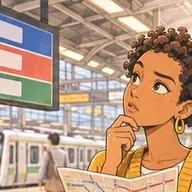
    Local, rapid or express? When your train skips your station

    Trains on the same line in Japan stop at different stations. 普通 or 各駅停車 (local) stops everywhere; 快速 (rapid), 急行 (express) and 特急 (limited express) skip stations. Before you board, check the train type on the platform screen and that your station is on its stop list. If you go past, get off, cross the platform and ride a local back.

    Tren, subway at paglipat
  2. Immigration at customsBago umalisApurahan
    Bago umalisApurahan

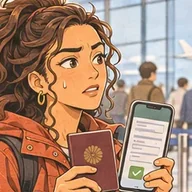
    Do you need a visa for Japan? Check it in two minutes

    If your passport is from one of Japan's 74 visa-exempt countries and regions, you don't need a visa for tourism: you are given 90 days on arrival (15 days for Thailand and Indonesia, 30 for Brunei and Qatar). Everyone else applies before the trip, online through JAPAN eVISA if you live in an eligible country, otherwise at a Japanese embassy or consulate. Since 1 July 2026 a single-entry visa costs about JPY 15,000 for most nationalities.

    Immigration at customs
  3. Babaeng bumibiyahe nang mag-isaHabang nasa biyahe
    Habang nasa biyahe

    Women travelling alone in Japan: trains, nights and groping

    Japan is generally very safe for women, but groping (chikan) on crowded trains happens. Use women-only cars in rush hour, shout or say 'chikan!' if it happens, and report it to station staff or police. At night, central areas are busy and lit; use taxis from station ranks if you feel unsure.

    Babaeng bumibiyahe nang mag-isa
  4. Access para sa wheelchairBago umalisApurahan
    Bago umalisApurahan

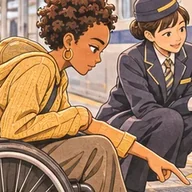
    Wheelchair travel in Japan: trains, ramps and calling ahead

    Tell station staff at the gate where you're going. They'll put down a ramp, call your destination station, and staff there will meet you at the train door. Most big stations have lifts, but older stations, temples and small restaurants often don't, so check ahead.

    Access para sa wheelchair
  5. Vegetarian at veganHabang nasa biyahe
    Habang nasa biyahe

    Vegetarian or vegan in Japan: the fish stock problem

    Almost everything savoury in Japan is made with dashi, a stock usually made from bonito fish, so 'no meat' isn't enough. Ask about dashi specifically, look for shōjin ryōri (temple food) and dedicated vegan places, and use a card that explains it in Japanese.

    Vegetarian at vegan
  6. Vacation rental at self check-inBago umalisApurahan
    Bago umalisApurahan

    Vacation rentals in Japan: getting the key, finding it, and the trash rules

    Read the host's check-in message before you travel: save the exact address, building photos and key box code offline. Japanese law requires hosts to check foreign guests' passports, often by photo upload. Follow the trash sorting and collection-day rules exactly, and keep noise down at night.

    Vacation rental at self check-in
  7. Bagyo, malakas na ulan at niyebeHabang nasa biyaheApurahan
    Habang nasa biyaheApurahan

    A typhoon is coming during your trip: what to do

    When railways announce 計画運休 (planned suspension), move your travel to the day before, or stay put until the day after. On the day itself, stay indoors with food and water, keep your phone charged, and follow official warnings, not social media.

    Bagyo, malakas na ulan at niyebe
  8. Basura at basurahanHabang nasa biyahe
    Habang nasa biyahe

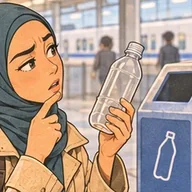
    Where to throw away rubbish in Japan

    Public bins are very rare in Japan. Carry a small bag for your rubbish, use the bins at convenience stores and next to vending machines for things that fit, and take the rest back to your hotel. Where there are bins, sort into burnable, plastic bottles and cans.

    Basura at basurahan
  9. Delay at kanseladong trenHabang nasa biyaheApurahan
    Habang nasa biyaheApurahan

    The train has stopped and the announcements are only in Japanese

    Look for four words on the station screens: 運転見合わせ (suspended), 遅延 (delayed), 運休 (cancelled) and 振替輸送 (use another line). Then check the railway's official app, and ask staff for the detour if a line is suspended.

    Delay at kanseladong tren
  10. BanyoHabang nasa biyahe
    Habang nasa biyahe

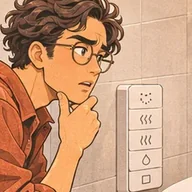
    Japanese toilets: the buttons, squat toilets and finding one

    The main buttons are 止 (stop, usually orange or red), おしり (bidet spray), ビデ (front spray) and 流す or 大/小 (flush, big/small). If you can't find the flush, look for a button or sensor on the wall, not the toilet. Free, clean toilets are in every station, convenience store and department store.

    Banyo
  11. Tip at asal sa pagbabayadHabang nasa biyahe
    Habang nasa biyahe

    Tipping in Japan: don't, and how to pay instead

    Don't tip in Japan: restaurants, taxis, hotels and hairdressers don't expect it, and leaving money often leads to staff chasing you to return it. Pay at the register, put cash in the small tray, and say thank you instead.

    Tip at asal sa pagbabayad
  12. Restawrang may ticket machineHabang nasa biyahe
    Habang nasa biyahe

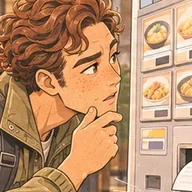
    Ticket-machine restaurants: how to order at the machine

    In ramen, soba and gyūdon shops, you buy a meal ticket from a machine at the door, then hand it to staff. The big buttons with pictures are main dishes; the small ones are extras. Many machines take cash only, often not JPY 10,000 notes, so carry small notes and coins.

    Restawrang may ticket machine
  13. Tax-free na pamimiliHabang nasa biyahe
    Habang nasa biyahe

    Tax-free shopping in Japan: the new refund system (from November 2026)

    Since 1 November 2026, you pay the full price including consumption tax at tax-free shops, then get the tax back after customs at the airport confirms you're taking the goods out of Japan. You must leave within 90 days of buying, scan your passport at the tax-free kiosk when you depart, and not use up consumables in Japan.

    Tax-free na pamimili
  14. TattooBago umalis
    Bago umalis

    Tattoos in Japan: onsen, pools and gyms

    Many onsen, public baths, pools and gyms still refuse people with visible tattoos. Look for tattoo-friendly facilities, book a private bath (kashikiri), cover small tattoos with patches where allowed, and always check the rules before you go rather than at the door.

    Tattoo

I-follow si Kuroko para sa mga di-nakasulat na patakaran ng Japan

Maiikling video at mabilis na tip. Isang problema, isang solusyon, palagi.

Piliin ang iyong wika