
עזרה לטיול ביפן, נכתבה על ידי יפני.

Kuroko's Japan
Kuroko's Japanפתרונות ל-100 בעיות בטיול

מטיילים בתור

מטיילים מבוגרים

מה מטיילים מבוגרים צריכים לדעת ביפן, מלפני הטיסה ועד הרגע שמשהו משתבש.

כל הבעיות
  • שינקנסןלפני הנסיעהדחוף
    לפני הנסיעהדחוף

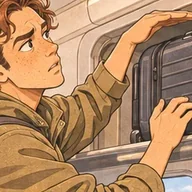
    Big suitcase on the Shinkansen: the 160 cm rule and the ¥1,000 fee

    On the Tokaido, Sanyo and Kyushu Shinkansen, a bag over 160 cm (height + width + depth) needs a reserved seat with an oversized baggage area. Without one you pay ¥1,000 on board. Bags over 250 cm aren't allowed.

    שינקנסן

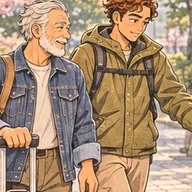
    עבור מטיילים מבוגרים: Lifting a big suitcase onto the rack is hard. Send it ahead to your next hotel by luggage delivery and ride with a small bag.

  • עבור מטיילים מבוגרים: Priority seats (優先席, yūsenseki) are near the doors on every train. People usually give them up when asked politely.

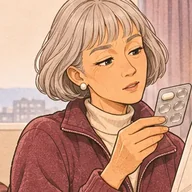
  • הכנסת תרופות ליפןלפני הנסיעהדחוף
    לפני הנסיעהדחוף

    Bringing medicine into Japan: what's banned and when you need a permit

    You can bring up to one month's supply of prescription medicine and up to two months' supply of non-prescription medicine for your own use without paperwork. Anything with stimulants, including many US cold medicines containing pseudoephedrine and Adderall, is banned outright. More than those amounts needs an import certificate before you fly.

    הכנסת תרופות ליפן

    עבור מטיילים מבוגרים: Count your daily pills: a long trip can push you over the one-month limit for prescription medicine.

  • לטייל עם מזוודות גדולותלפני הנסיעה
    לפני הנסיעה

    Travelling around Japan with a big suitcase

    Japan's trains, stations and hotel rooms are built for small bags. Send big suitcases ahead between hotels, use lifts rather than stairs, avoid rush hour, and book oversized luggage space on the Tokaido, Sanyo and Kyushu shinkansen.

    לטייל עם מזוודות גדולות

    עבור מטיילים מבוגרים: Plan on forwarding all big bags. Many station exits have long stairs and only one lift.

  • עיכובים וביטולים של רכבותבמהלך הטיולדחוף
    במהלך הטיולדחוף

    The train has stopped and the announcements are only in Japanese

    Look for four words on the station screens: 運転見合わせ (suspended), 遅延 (delayed), 運休 (cancelled) and 振替輸送 (use another line). Then check the railway's official app, and ask staff for the detour if a line is suspended.

    עיכובים וביטולים של רכבות

    עבור מטיילים מבוגרים: Crowds build fast on platforms during a suspension. Step back from the platform edge and wait at the concourse until trains run again.

  • אונסןבמהלך הטיול
    במהלך הטיול

    How to bathe at an onsen: step by step

    Wash thoroughly at the shower stools before you get in, go in naked (no swimsuits), keep your small towel out of the water, and tie up long hair. Get out slowly, and drink water afterwards. Check tattoo rules before you go.

    אונסן

    עבור מטיילים מבוגרים: Hot water raises your heart rate. Get in slowly, limit each soak to a few minutes, and avoid bathing after drinking.

  • שליחת המזוודות מראשבמהלך הטיולדחוף
    במהלך הטיולדחוף

    Sending your luggage ahead in Japan (takkyubin)

    Hotel front desks and convenience stores will send a suitcase to your next hotel or the airport, usually arriving the next day. Book it the day before you need it, check the cut-off time, and write the guest name exactly as on your booking.

    שליחת המזוודות מראש

    עבור מטיילים מבוגרים: Sending bags ahead means you travel by train with a small day bag only. It is the single biggest help on a multi-city trip.

  • אוטובוסים מקומייםבמהלך הטיול
    במהלך הטיול

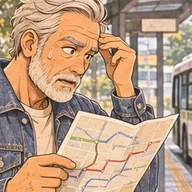
    Riding a local bus in Japan: how to board and pay

    Check whether you board at the front or the back. On many city buses you pay a flat fare when you board at the front; on many others you take a numbered ticket at the back door and pay at the front when you get off, matching your number to the fare screen. IC cards work on most.

    אוטובוסים מקומיים

    עבור מטיילים מבוגרים: Sit down before the bus moves; drivers wait. Priority seats are near the front.

  • חום הקיץ ומכת חוםבמהלך הטיולדחוף
    במהלך הטיולדחוף

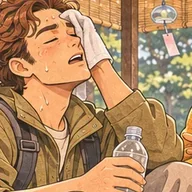
    Japanese summer heat: staying safe from heatstroke

    Japanese summers are hot and very humid, and heatstroke is common in July and August. Watch for the heatstroke alert (熱中症警戒アラート), drink water and electrolytes before you're thirsty, plan outdoor sightseeing for early morning, and go indoors at the first signs of dizziness, cramps or headache.

    חום הקיץ ומכת חום

    עבור מטיילים מבוגרים: Older people feel thirst and heat less. Drink on a schedule, and plan indoor afternoons.

  • עבור מטיילים מבוגרים: Show the staff every medicine you take daily before you buy anything. Use the phrase about taking both.

  • כשנגמרות תרופות מרשםכשמשהו משתבשדחוף
    כשמשהו משתבשדחוף

    Ran out of prescription medicine in Japan: how to get more

    Japanese pharmacies can't fill a foreign prescription. You need to see a doctor in Japan, who can prescribe the same medicine or a Japanese equivalent. Bring the packaging and the generic name of the drug, and call the Japan Visitor Hotline (050-3816-2787) to find an English-speaking clinic.

    כשנגמרות תרופות מרשם

    עבור מטיילים מבוגרים: Split your medicine between two bags, so losing one bag doesn't leave you with nothing.

עקבו אחרי Kuroko כדי להכיר את הכללים הלא כתובים של יפן

סרטונים קצרים וטיפים מהירים. בעיה אחת, פתרון אחד, בכל פעם.

בחרו שפה