Hilfe für deine Japanreise, geschrieben von einem Japaner.

Kuroko's Japan
Kuroko's JapanLösungen für 100 Reiseprobleme

Notfall in Japan

Wen anrufen?

Japan Visitor Hotline · 24 Stunden

Englisch, Chinesisch und Koreanisch. Bei Unfällen, Krankheit, Katastrophen und für allgemeine Hilfe. Ruf 050-3816-2787 an (+81-50-3816-2787 von einem ausländischen Telefon).

050-3816-2787 anrufen

Sag zuerst das

Die Leitstelle fragt: Feuer oder Rettungsdienst? Antworte mit einem Wort.

  • 救急です。Kyūkyū desu · Es ist ein medizinischer Notfall.
  • 火事です。Kaji desu · Es brennt.
  • 事件です。Jiken desu · Ich brauche die Polizei.
  • 日本語が話せません。英語でお願いします。Nihongo ga hanasemasen. Eigo de onegai shimasu. · Ich spreche kein Japanisch. Bitte Englisch.

Wo bin ich?

  • Lies auf deiner Karte den Namen des nächsten Hotels, Geschäfts oder Bahnhofs vor.
  • Strommasten und manche Gebäude zeigen die Adresse auf kleinen Schildern.
  • Auf Hotel-Schlüsselkarten und Quittungen steht die Adresse.

Ratgeber, wenn etwas schiefgegangen ist

ShinkansenVor der ReiseDringend
Vor der ReiseDringend

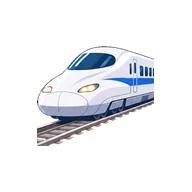
Big suitcase on the Shinkansen: the 160 cm rule and the ¥1,000 fee

On the Tokaido, Sanyo and Kyushu Shinkansen, a bag over 160 cm (height + width + depth) needs a reserved seat with an oversized baggage area. Without one you pay ¥1,000 on board. Bags over 250 cm aren't allowed.
RollstuhlzugangVor der ReiseDringend
Vor der ReiseDringend

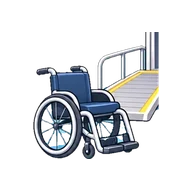
Wheelchair travel in Japan: trains, ramps and calling ahead

Tell station staff at the gate where you're going. They'll put down a ramp, call your destination station, and staff there will meet you at the train door. Most big stations have lifts, but older stations, temples and small restaurants often don't, so check ahead.

Ferienwohnungen und Self-Check-inVor der ReiseDringend
Vor der ReiseDringend

Vacation rentals in Japan: getting the key, finding it, and the trash rules

Read the host's check-in message before you travel: save the exact address, building photos and key box code offline. Japanese law requires hosts to check foreign guests' passports, often by photo upload. Follow the trash sorting and collection-day rules exactly, and keep noise down at night.

Taifune, Starkregen und SchneeWährend der ReiseDringend
Während der ReiseDringend

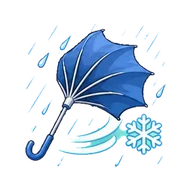
A typhoon is coming during your trip: what to do

When railways announce 計画運休 (planned suspension), move your travel to the day before, or stay put until the day after. On the day itself, stay indoors with food and water, keep your phone charged, and follow official warnings, not social media.

Zugverspätungen und -ausfälleWährend der ReiseDringend
Während der ReiseDringend

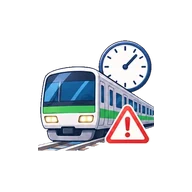
The train has stopped and the announcements are only in Japanese

Look for four words on the station screens: 運転見合わせ (suspended), 遅延 (delayed), 運休 (cancelled) and 振替輸送 (use another line). Then check the railway's official app, and ask staff for the detour if a line is suspended.

Zugverspätungen und -ausfälleWenn etwas schiefgehtDringend
Wenn etwas schiefgehtDringend

Line suspended in Japan: using another line for free (and the Suica catch)

When 振替輸送 (furikae yusō) is announced, a paper ticket or rail pass for the suspended section lets you ride the listed detour lines free: show it at a staffed gate. Paying with Suica, PASMO or a credit card tap doesn't count, so you pay the detour fare yourself.

Taxis und Fahrdienst-AppsWährend der ReiseDringend
Während der ReiseDringend

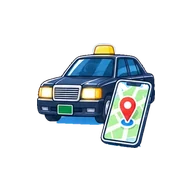
Taking a taxi in Japan: getting the driver to the right place

Don't say the address out loud: show the driver the place name in Japanese on your phone, or better, the phone number. Japanese taxi doors open and close automatically, and most taxis now take cards.

ShinkansenVor der ReiseDringend
Vor der ReiseDringend

Riding the shinkansen: reserved seats, unreserved cars and big suitcases

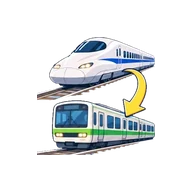
Book a reserved seat on busy days, check which cars are unreserved if you don't, and if your suitcase is very large, book a seat with oversized luggage space on the Tokaido, Sanyo and Kyushu lines, or you may be charged at the door.

Krankenhäuser und KlinikenWährend der ReiseDringend
Während der ReiseDringend

Seeing a doctor in Japan as a tourist: start with a clinic

For anything that isn't an emergency, go to a small clinic, not a big hospital: large hospitals add a charge of JPY 7,000 or more if you arrive without a referral. Find an English-speaking clinic through JNTO's medical search or the Japan Visitor Hotline (050-3816-2787), and bring your passport, travel insurance details and a way to pay.

Betrug, Schlepper und überhöhte PreiseWenn etwas schiefgehtDringend
Wenn etwas schiefgehtDringend

Scams and touts in Japan's nightlife districts

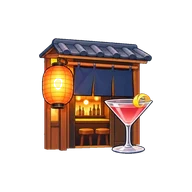
Japan has little street crime, but nightlife districts have a known scam: touts lure visitors into bars, then charge huge bills. Never follow a tout, choose bars with prices shown, check the bill as you go, and call 110 if you're pressured to pay.

Restaurants reservierenWährend der ReiseDringend
Während der ReiseDringend

The restaurant only takes phone bookings, or wants a Japanese number

Hand your hotel front desk a written note with the restaurant, date, time and number of people, and ask them to call. If you call yourself, ring between lunch and dinner service and use the short script below.

Restaurants reservierenWenn etwas schiefgehtDringend
Wenn etwas schiefgehtDringend

Running late or need to cancel a restaurant booking in Japan

Call the restaurant before your booking time, even with two words of Japanese. Many small restaurants give your seat away after about 15 minutes without a call, and course restaurants can charge you the full price for a no-show.

MietwagenVor der ReiseDringend
Vor der ReiseDringend

Renting a car in Japan: the permit you need and driving on the left

You need your home licence plus either an International Driving Permit under the 1949 Geneva Convention or, for a few countries, an official Japanese translation of your licence. Without the right document the rental company must refuse you. Japan drives on the left.

Verschreibungspflichtige Medikamente gehen ausWenn etwas schiefgehtDringend
Wenn etwas schiefgehtDringend

Ran out of prescription medicine in Japan: how to get more

Japanese pharmacies can't fill a foreign prescription. You need to see a doctor in Japan, who can prescribe the same medicine or a Japanese equivalent. Bring the packaging and the generic name of the drug, and call the Japan Visitor Hotline (050-3816-2787) to find an English-speaking clinic.

Polizei, Diebstahl und VerlustanzeigenWenn etwas schiefgehtDringend
Wenn etwas schiefgehtDringend

Reporting theft or loss to the police in Japan

Go to the nearest police box (交番, kōban) and file a report. Officers will fill in a form with you and give you a report number (受理番号), which your travel insurer will ask for. Bring your passport, and describe the item and when and where you last had it.

Wenn du eine japanische Telefonnummer brauchstVor der ReiseDringend
Vor der ReiseDringend

How to get a Japanese phone number as a visitor

Buy a voice + data SIM or eSIM that comes with a 070, 080 or 090 number, from one of the few providers that sell them to visitors with just a passport. Data-only travel eSIMs and 050 app numbers won't receive the verification codes you need.

Wenn du eine japanische Telefonnummer brauchstWährend der ReiseDringend
Während der ReiseDringend

A form wants a Japanese phone number and you don't have one

Look for the same thing on an English or international site that accepts your home number, or ask your hotel to book and give their number. Never type in a made-up number: the code or booking goes to a stranger.

Medikamente nach Japan mitbringenVor der ReiseDringend
Vor der ReiseDringend

Bringing medicine into Japan: what's banned and when you need a permit

You can bring up to one month's supply of prescription medicine and up to two months' supply of non-prescription medicine for your own use without paperwork. Anything with stimulants, including many US cold medicines containing pseudoephedrine and Adderall, is banned outright. More than those amounts needs an import certificate before you fly.

Gepäck vorausschickenWährend der ReiseDringend
Während der ReiseDringend

Sending your luggage ahead in Japan (takkyubin)

Hotel front desks and convenience stores will send a suitcase to your next hotel or the airport, usually arriving the next day. Book it the day before you need it, check the cut-off time, and write the guest name exactly as on your booking.

Reisepass verlorenWenn etwas schiefgehtDringend
Wenn etwas schiefgehtDringend

Lost your passport in Japan: what to do

File a lost property or theft report at a police box and get the report number, then contact your embassy or consulate for an emergency travel document or a new passport. Bring passport photos, a copy of your old passport if you have one, and your flight details.

FundsachenWenn etwas schiefgehtDringend
Wenn etwas schiefgehtDringend

Left something on a train in Japan: how to get it back

Go to the station staff or call the railway's lost property line the same day, with the train, time, car number and a precise description. Items are passed to the police after a few days, and the police keep them for three months.

FundsachenWenn etwas schiefgehtDringend
Wenn etwas schiefgehtDringend

Left something in a taxi in Japan: find the company first

Your receipt shows the taxi company and the car number. Call that company directly; if you have no receipt, report it at a police box with the time, place and route of the ride.

Letzte Züge und späte NächteWährend der ReiseDringend
Während der ReiseDringend

Missed the last train in Japan: your options after midnight

Last trains in big cities leave around midnight, often earlier on branch lines. If you miss it, take a taxi, wait for the first train around 5 am in a 24-hour place, or book a capsule hotel nearby. Check your last train before your evening starts.

Online buchen und Tickets kaufenWährend der ReiseDringend
Während der ReiseDringend

Booking on a Japanese-only website: how to fill in the form

Translate the page with your browser, but type the answers yourself: surname first, your name again in katakana in the フリガナ box, and numbers in the exact format asked. Most errors come from the katakana box and from full-width versus half-width characters.

Einreise und ZollVor der ReiseDringend
Vor der ReiseDringend

Arriving in Japan: immigration, customs and Visit Japan Web

Register on Visit Japan Web before you fly and get the QR codes for immigration and customs. It speeds up arrival and also helps with tax-free shopping. Have your passport, the address of your first hotel and your return flight details ready.

IC-Karten (Suica, PASMO)Vor der ReiseDringend
Vor der ReiseDringend

Suica and other IC cards: on your phone or as a card

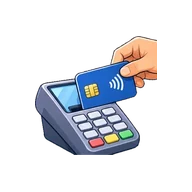
On an iPhone, add Suica to Apple Wallet or use JR East's Welcome Suica Mobile app and top up with Apple Pay. Android phones bought outside Japan can't run Mobile Suica, so get a physical card such as Welcome Suica at the airport or a major station.

Sommerhitze und HitzschlagWährend der ReiseDringend
Während der ReiseDringend

Japanese summer heat: staying safe from heatstroke

Japanese summers are hot and very humid, and heatstroke is common in July and August. Watch for the heatstroke alert (熱中症警戒アラート), drink water and electrolytes before you're thirsty, plan outdoor sightseeing for early morning, and go indoors at the first signs of dizziness, cramps or headache.

Fuji und WandernVor der ReiseDringend
Vor der ReiseDringend

Climbing Mount Fuji: the 2026 rules, fees and bookings

Mount Fuji's climbing season runs from early July to 10 September. All four trails now charge an entry fee of JPY 4,000 per person, require advance registration, and close the trails to climbers starting between 2 pm and 3 am unless you've booked a mountain hut. The Yoshida trail also caps numbers at 4,000 a day.

eSIM und SIM-KartenVor der ReiseDringend
Vor der ReiseDringend

eSIM and SIM cards for Japan: what to buy and how to set up

Check your phone is unlocked and supports eSIM, buy a data plan for Japan before you fly, and install it at home on Wi-Fi but turn it on when you land. Most travel eSIMs are data only, with no Japanese number.

Notfälle und Hilfe rufenWenn etwas schiefgehtDringend
Wenn etwas schiefgehtDringend

Emergency numbers in Japan and what to say

Call 119 for an ambulance or fire and 110 for police. Both are free from any phone and work 24 hours. Start with the one word that matters: 救急です (kyūkyū desu, medical emergency), 火事です (kaji desu, fire) or 事件です (jiken desu, crime). For help in English that isn't an emergency, call the Japan Visitor Hotline: 050-3816-2787.

Erdbeben und TsunamiWenn etwas schiefgehtDringend
Wenn etwas schiefgehtDringend

Earthquakes and tsunami in Japan: what the alerts mean

When your phone screams an earthquake early warning, protect your head and get under a table, away from windows, until the shaking stops. If you're on the coast and a tsunami warning is issued, go to high ground or the upper floors of a tall concrete building immediately. Install the Safety tips app before you travel.

Apotheken und rezeptfreie MedikamenteWenn etwas schiefgehtDringend
Wenn etwas schiefgehtDringend

The drugstore medicine isn't working: what to do next in Japan

Stop guessing with more boxes. Call the Japan Visitor Hotline (050-3816-2787, 24 hours, English) to find a clinic that speaks your language, and call 119 for an ambulance if it's serious.

Apotheken und rezeptfreie MedikamenteWährend der ReiseDringend
Während der ReiseDringend

Buying cold, fever or pain medicine at a Japanese drugstore

Go to the drugstore counter, show the staff your symptoms in Japanese and the active ingredient you use at home, and let them pick the box. Japanese brand names won't match yours, but ingredient names written in katakana usually will.

Notfall beim Zahnarzt oder AugenarztWenn etwas schiefgehtDringend
Wenn etwas schiefgehtDringend

Toothache or eye problem in Japan: where to go

Dentists (歯科, shika) and eye clinics (眼科, ganka) are separate small clinics in Japan, not hospital departments. Search for 歯科 or 眼科 near you, call ahead or ask your hotel to, and use the Japan Visitor Hotline (050-3816-2787) to find one that speaks English.

Schließfächer und GepäckaufbewahrungWährend der ReiseDringend
Während der ReiseDringend

Coin lockers and luggage storage in Japan

Station coin lockers fill up by mid-morning at popular stations. If you can't find a free one, use a staffed baggage counter, a luggage storage app, or leave your bags at your hotel. Big suitcases need the largest locker size, and there are few of them.

Bargeld und GeldautomatenWährend der ReiseDringend
Während der ReiseDringend

How much cash do you need in Japan?

Less than before, but not zero. Cards work in most city shops, but small restaurants, stalls, temples, shrines, rural buses, coin lockers and ticket machines often want cash. Keep JPY 10,000 to 20,000 in mixed notes and coins, and top up at 7-Eleven or post office ATMs.

KreditkartenWährend der ReiseDringend
Während der ReiseDringend

Your foreign card is rejected on a Japanese website

Japanese shopping and booking sites must now check your card with 3D Secure, the extra approval step from your bank. Turn on online and overseas payments in your banking app, approve the request when it appears, and if it still fails, use the site's international version or another way to pay.

Züge, U-Bahnen und UmsteigenWährend der ReiseDringend
Während der ReiseDringend

Lost in a huge Japanese station: transfers and exits

Follow the line colour and line letter, not the station name: in big stations each railway company has its own gates. Before you leave the platform, decide which exit you need, because the wrong exit can put you a ten-minute walk away.

Bars und NachtlebenWenn etwas schiefgehtDringend
Wenn etwas schiefgehtDringend

Bars in Japan: cover charges, touts and surprise bills

Many Japanese bars add a cover or seat charge, which is normal and should be shown on the menu. The danger is touts: never follow someone from the street into a bar, especially in Kabukicho, Roppongi or other nightlife districts, and confirm prices before you order.

Tickets für beliebte SehenswürdigkeitenVor der ReiseDringend
Vor der ReiseDringend

Tickets for Japan's popular attractions: when they go on sale

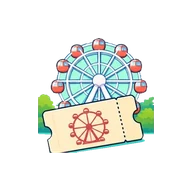
Popular attractions such as the Ghibli Museum, teamLab, Shibuya Sky at sunset, Nintendo Museum and theme parks sell out weeks ahead. Find the official site, note the exact date and time tickets go on sale in Japan time, and buy the moment they're released.

Vom Flughafen in die StadtBei der AnkunftDringend
Bei der AnkunftDringend

Getting from the airport into the city in Japan

Pick by your arrival time and your luggage: trains are fastest in the daytime, airport limousine buses drop you near many hotels with your bags, and after the last train, a pre-booked shuttle or taxi is often the only option.

LebensmittelallergienWenn etwas schiefgehtDringend
Wenn etwas schiefgehtDringend

Having an allergic reaction in Japan: what to do

Use your adrenaline auto-injector if you have one, call 119 and say "kyūkyū desu" (it's a medical emergency), and show the staff your allergy card so they can tell the paramedics what you ate.

Dem Personal zeigen

Folge Kuroko für Japans ungeschriebene Regeln

Kurze Videos und schnelle Tipps. Ein Problem, eine Lösung, jedes Mal.

Sprache auswählen