日本人が書いた、日本旅行のお助けガイド。

Kuroko's Japan
Kuroko's Japan旅のトラブル100の解決法

日本での緊急時

どこに電話する?

Japan Visitor Hotline · 24時間

英語・中国語・韓国語に対応。事故、病気、災害、そのほかの困りごとに。050-3816-2787(海外の電話からは+81-50-3816-2787)に電話してください。

050-3816-2787に電話

まずこう言う

オペレーターに「火事ですか、救急ですか?」と聞かれます。ひと言で答えてください。

  • 救急です。Kyūkyū desu · 救急です。
  • 火事です。Kaji desu · 火事です。
  • 事件です。Jiken desu · 警察をお願いします。
  • 日本語が話せません。英語でお願いします。Nihongo ga hanasemasen. Eigo de onegai shimasu. · 日本語が話せません。英語でお願いします。

ここはどこ?

  • 地図アプリで一番近いホテル、店、駅の名前を読み上げてください。
  • 電柱や一部の建物には、住所が書かれた小さな表示板があります。
  • ホテルのカードキーやレシートには住所が書いてあります。

トラブルが起きたときのガイド

入国審査・税関出発前緊急
出発前緊急

Do you need a visa for Japan? Check it in two minutes

If your passport is from one of Japan's 74 visa-exempt countries and regions, you don't need a visa for tourism: you are given 90 days on arrival (15 days for Thailand and Indonesia, 30 for Brunei and Qatar). Everyone else applies before the trip, online through JAPAN eVISA if you live in an eligible country, otherwise at a Japanese embassy or consulate. Since 1 July 2026 a single-entry visa costs about JPY 15,000 for most nationalities.

新幹線出発前緊急
出発前緊急

Big suitcase on the Shinkansen: the 160 cm rule and the ¥1,000 fee

On the Tokaido, Sanyo and Kyushu Shinkansen, a bag over 160 cm (height + width + depth) needs a reserved seat with an oversized baggage area. Without one you pay ¥1,000 on board. Bags over 250 cm aren't allowed.

車いすでの利用出発前緊急
出発前緊急

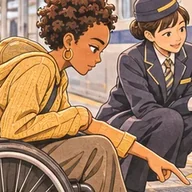
Wheelchair travel in Japan: trains, ramps and calling ahead

Tell station staff at the gate where you're going. They'll put down a ramp, call your destination station, and staff there will meet you at the train door. Most big stations have lifts, but older stations, temples and small restaurants often don't, so check ahead.

民泊・セルフチェックイン出発前緊急
出発前緊急

Vacation rentals in Japan: getting the key, finding it, and the trash rules

Read the host's check-in message before you travel: save the exact address, building photos and key box code offline. Japanese law requires hosts to check foreign guests' passports, often by photo upload. Follow the trash sorting and collection-day rules exactly, and keep noise down at night.

台風・大雨・大雪旅行中緊急
旅行中緊急

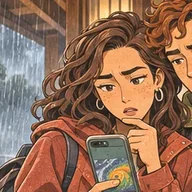
A typhoon is coming during your trip: what to do

When railways announce 計画運休 (planned suspension), move your travel to the day before, or stay put until the day after. On the day itself, stay indoors with food and water, keep your phone charged, and follow official warnings, not social media.

電車の遅延・運休旅行中緊急
旅行中緊急

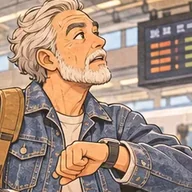
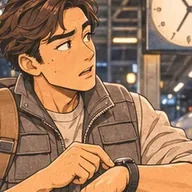
The train has stopped and the announcements are only in Japanese

Look for four words on the station screens: 運転見合わせ (suspended), 遅延 (delayed), 運休 (cancelled) and 振替輸送 (use another line). Then check the railway's official app, and ask staff for the detour if a line is suspended.

電車の遅延・運休トラブル発生時緊急
トラブル発生時緊急

Line suspended in Japan: using another line for free (and the Suica catch)

When 振替輸送 (furikae yusō) is announced, a paper ticket or rail pass for the suspended section lets you ride the listed detour lines free: show it at a staffed gate. Paying with Suica, PASMO or a credit card tap doesn't count, so you pay the detour fare yourself.

タクシー・配車アプリ旅行中緊急
旅行中緊急

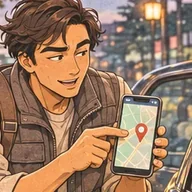
Taking a taxi in Japan: getting the driver to the right place

Don't say the address out loud: show the driver the place name in Japanese on your phone, or better, the phone number. Japanese taxi doors open and close automatically, and most taxis now take cards.

新幹線出発前緊急
出発前緊急

Riding the shinkansen: reserved seats, unreserved cars and big suitcases

Book a reserved seat on busy days, check which cars are unreserved if you don't, and if your suitcase is very large, book a seat with oversized luggage space on the Tokaido, Sanyo and Kyushu lines, or you may be charged at the door.

病院・クリニック旅行中緊急
旅行中緊急

Seeing a doctor in Japan as a tourist: start with a clinic

For anything that isn't an emergency, go to a small clinic, not a big hospital: large hospitals add a charge of JPY 7,000 or more if you arrive without a referral. Find an English-speaking clinic through JNTO's medical search or the Japan Visitor Hotline (050-3816-2787), and bring your passport, travel insurance details and a way to pay.

詐欺・客引き・ぼったくりトラブル発生時緊急
トラブル発生時緊急

Scams and touts in Japan's nightlife districts

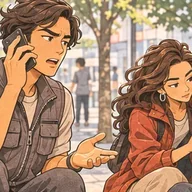
Japan has little street crime, but nightlife districts have a known scam: touts lure visitors into bars, then charge huge bills. Never follow a tout, choose bars with prices shown, check the bill as you go, and call 110 if you're pressured to pay.

飲食店の予約旅行中緊急
旅行中緊急

The restaurant only takes phone bookings, or wants a Japanese number

Hand your hotel front desk a written note with the restaurant, date, time and number of people, and ask them to call. If you call yourself, ring between lunch and dinner service and use the short script below.

飲食店の予約トラブル発生時緊急
トラブル発生時緊急

Running late or need to cancel a restaurant booking in Japan

Call the restaurant before your booking time, even with two words of Japanese. Many small restaurants give your seat away after about 15 minutes without a call, and course restaurants can charge you the full price for a no-show.

レンタカー出発前緊急
出発前緊急

Renting a car in Japan: the permit you need and driving on the left

You need your home licence plus either an International Driving Permit under the 1949 Geneva Convention or, for a few countries, an official Japanese translation of your licence. Without the right document the rental company must refuse you. Japan drives on the left.

処方薬がなくなったときトラブル発生時緊急
トラブル発生時緊急

Ran out of prescription medicine in Japan: how to get more

Japanese pharmacies can't fill a foreign prescription. You need to see a doctor in Japan, who can prescribe the same medicine or a Japanese equivalent. Bring the packaging and the generic name of the drug, and call the Japan Visitor Hotline (050-3816-2787) to find an English-speaking clinic.

警察・盗難・紛失の届け出トラブル発生時緊急
トラブル発生時緊急

Reporting theft or loss to the police in Japan

Go to the nearest police box (交番, kōban) and file a report. Officers will fill in a form with you and give you a report number (受理番号), which your travel insurer will ask for. Bring your passport, and describe the item and when and where you last had it.

日本の電話番号が必要なとき出発前緊急
出発前緊急

How to get a Japanese phone number as a visitor

Buy a voice + data SIM or eSIM that comes with a 070, 080 or 090 number, from one of the few providers that sell them to visitors with just a passport. Data-only travel eSIMs and 050 app numbers won't receive the verification codes you need.

日本の電話番号が必要なとき旅行中緊急
旅行中緊急

A form wants a Japanese phone number and you don't have one

Look for the same thing on an English or international site that accepts your home number, or ask your hotel to book and give their number. Never type in a made-up number: the code or booking goes to a stranger.

日本への薬の持ち込み出発前緊急
出発前緊急

Bringing medicine into Japan: what's banned and when you need a permit

You can bring up to one month's supply of prescription medicine and up to two months' supply of non-prescription medicine for your own use without paperwork. Anything with stimulants, including many US cold medicines containing pseudoephedrine and Adderall, is banned outright. More than those amounts needs an import certificate before you fly.

荷物を先に送る旅行中緊急
旅行中緊急

Sending your luggage ahead in Japan (takkyubin)

Hotel front desks and convenience stores will send a suitcase to your next hotel or the airport, usually arriving the next day. Book it the day before you need it, check the cut-off time, and write the guest name exactly as on your booking.

パスポートの紛失トラブル発生時緊急
トラブル発生時緊急

Lost your passport in Japan: what to do

File a lost property or theft report at a police box and get the report number, then contact your embassy or consulate for an emergency travel document or a new passport. Bring passport photos, a copy of your old passport if you have one, and your flight details.

忘れ物・落とし物トラブル発生時緊急
トラブル発生時緊急

Left something on a train in Japan: how to get it back

Go to the station staff or call the railway's lost property line the same day, with the train, time, car number and a precise description. Items are passed to the police after a few days, and the police keep them for three months.

忘れ物・落とし物トラブル発生時緊急
トラブル発生時緊急

Left something in a taxi in Japan: find the company first

Your receipt shows the taxi company and the car number. Call that company directly; if you have no receipt, report it at a police box with the time, place and route of the ride.

終電・深夜旅行中緊急
旅行中緊急

Missed the last train in Japan: your options after midnight

Last trains in big cities leave around midnight, often earlier on branch lines. If you miss it, take a taxi, wait for the first train around 5 am in a 24-hour place, or book a capsule hotel nearby. Check your last train before your evening starts.

オンライン予約・チケット購入旅行中緊急
旅行中緊急

Booking on a Japanese-only website: how to fill in the form

Translate the page with your browser, but type the answers yourself: surname first, your name again in katakana in the フリガナ box, and numbers in the exact format asked. Most errors come from the katakana box and from full-width versus half-width characters.

入国審査・税関出発前緊急
出発前緊急

Arriving in Japan: immigration, customs and Visit Japan Web

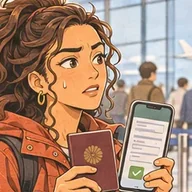
Register on Visit Japan Web before you fly and get the QR codes for immigration and customs. It speeds up arrival and also helps with tax-free shopping. Have your passport, the address of your first hotel and your return flight details ready.

ICカード(Suica、PASMO)出発前緊急
出発前緊急

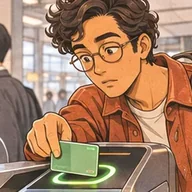
Suica and other IC cards: on your phone or as a card

On an iPhone, add Suica to Apple Wallet or use JR East's Welcome Suica Mobile app and top up with Apple Pay. Android phones bought outside Japan can't run Mobile Suica, so get a physical card such as Welcome Suica at the airport or a major station.

夏の暑さ・熱中症旅行中緊急
旅行中緊急

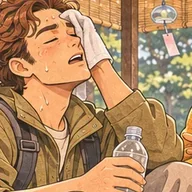
Japanese summer heat: staying safe from heatstroke

Japanese summers are hot and very humid, and heatstroke is common in July and August. Watch for the heatstroke alert (熱中症警戒アラート), drink water and electrolytes before you're thirsty, plan outdoor sightseeing for early morning, and go indoors at the first signs of dizziness, cramps or headache.

富士山・登山出発前緊急
出発前緊急

Climbing Mount Fuji: the 2026 rules, fees and bookings

Mount Fuji's climbing season runs from early July to 10 September. All four trails now charge an entry fee of JPY 4,000 per person, require advance registration, and close the trails to climbers starting between 2 pm and 3 am unless you've booked a mountain hut. The Yoshida trail also caps numbers at 4,000 a day.

eSIM・SIMカード出発前緊急
出発前緊急

eSIM and SIM cards for Japan: what to buy and how to set up

Check your phone is unlocked and supports eSIM, buy a data plan for Japan before you fly, and install it at home on Wi-Fi but turn it on when you land. Most travel eSIMs are data only, with no Japanese number.

緊急時・助けを呼ぶトラブル発生時緊急
トラブル発生時緊急

Emergency numbers in Japan and what to say

Call 119 for an ambulance or fire and 110 for police. Both are free from any phone and work 24 hours. Start with the one word that matters: 救急です (kyūkyū desu, medical emergency), 火事です (kaji desu, fire) or 事件です (jiken desu, crime). For help in English that isn't an emergency, call the Japan Visitor Hotline: 050-3816-2787.

地震・津波トラブル発生時緊急
トラブル発生時緊急

Earthquakes and tsunami in Japan: what the alerts mean

When your phone screams an earthquake early warning, protect your head and get under a table, away from windows, until the shaking stops. If you're on the coast and a tsunami warning is issued, go to high ground or the upper floors of a tall concrete building immediately. Install the Safety tips app before you travel.

薬局・市販薬トラブル発生時緊急
トラブル発生時緊急

The drugstore medicine isn't working: what to do next in Japan

Stop guessing with more boxes. Call the Japan Visitor Hotline (050-3816-2787, 24 hours, English) to find a clinic that speaks your language, and call 119 for an ambulance if it's serious.

薬局・市販薬旅行中緊急
旅行中緊急

Buying cold, fever or pain medicine at a Japanese drugstore

Go to the drugstore counter, show the staff your symptoms in Japanese and the active ingredient you use at home, and let them pick the box. Japanese brand names won't match yours, but ingredient names written in katakana usually will.

急な歯医者・眼科トラブル発生時緊急
トラブル発生時緊急

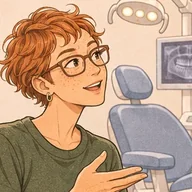
Toothache or eye problem in Japan: where to go

Dentists (歯科, shika) and eye clinics (眼科, ganka) are separate small clinics in Japan, not hospital departments. Search for 歯科 or 眼科 near you, call ahead or ask your hotel to, and use the Japan Visitor Hotline (050-3816-2787) to find one that speaks English.

コインロッカー・荷物預かり旅行中緊急
旅行中緊急

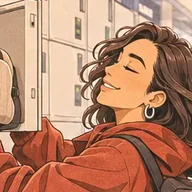
Coin lockers and luggage storage in Japan

Station coin lockers fill up by mid-morning at popular stations. If you can't find a free one, use a staffed baggage counter, a luggage storage app, or leave your bags at your hotel. Big suitcases need the largest locker size, and there are few of them.

現金・ATM旅行中緊急
旅行中緊急

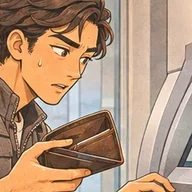
How much cash do you need in Japan?

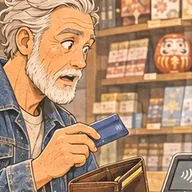
Less than before, but not zero. Cards work in most city shops, but small restaurants, stalls, temples, shrines, rural buses, coin lockers and ticket machines often want cash. Keep JPY 10,000 to 20,000 in mixed notes and coins, and top up at 7-Eleven or post office ATMs.

クレジットカード旅行中緊急
旅行中緊急

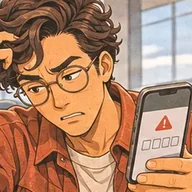
Your foreign card is rejected on a Japanese website

Japanese shopping and booking sites must now check your card with 3D Secure, the extra approval step from your bank. Turn on online and overseas payments in your banking app, approve the request when it appears, and if it still fails, use the site's international version or another way to pay.

電車・地下鉄・乗り換え旅行中緊急
旅行中緊急

Lost in a huge Japanese station: transfers and exits

Follow the line colour and line letter, not the station name: in big stations each railway company has its own gates. Before you leave the platform, decide which exit you need, because the wrong exit can put you a ten-minute walk away.

バー・ナイトライフトラブル発生時緊急
トラブル発生時緊急

Bars in Japan: cover charges, touts and surprise bills

Many Japanese bars add a cover or seat charge, which is normal and should be shown on the menu. The danger is touts: never follow someone from the street into a bar, especially in Kabukicho, Roppongi or other nightlife districts, and confirm prices before you order.

人気スポットのチケット出発前緊急
出発前緊急

Tickets for Japan's popular attractions: when they go on sale

Popular attractions such as the Ghibli Museum, teamLab, Shibuya Sky at sunset, Nintendo Museum and theme parks sell out weeks ahead. Find the official site, note the exact date and time tickets go on sale in Japan time, and buy the moment they're released.

空港から市内へ到着時緊急
到着時緊急

Getting from the airport into the city in Japan

Pick by your arrival time and your luggage: trains are fastest in the daytime, airport limousine buses drop you near many hotels with your bags, and after the last train, a pre-booked shuttle or taxi is often the only option.

食物アレルギートラブル発生時緊急
トラブル発生時緊急

Having an allergic reaction in Japan: what to do

Use your adrenaline auto-injector if you have one, call 119 and say "kyūkyū desu" (it's a medical emergency), and show the staff your allergy card so they can tell the paramedics what you ate.

店員に見せる

Kurokoをフォローして、日本の暗黙のルールを知ろう

短い動画とすぐ使えるヒント。毎回、1つのトラブルに1つの解決法。

言語を選択