

Ajutor pentru călătorii în Japonia, scris de un japonez nativ.

Kuroko's Japan
Kuroko's JapanSoluții pentru 100 de probleme de călătorie

Călătoresc ca

Utilizatori de scaun cu rotile

Utilizatori de scaun cu rotile: ce trebuie să știți în Japonia, de dinainte de zbor până când ceva nu merge bine.

Toate problemele
  • Acces cu scaunul cu rotileÎnainte de plecareUrgent
    Înainte de plecareUrgent

    Wheelchair travel in Japan: trains, ramps and calling ahead

    Tell station staff at the gate where you're going. They'll put down a ramp, call your destination station, and staff there will meet you at the train door. Most big stations have lifts, but older stations, temples and small restaurants often don't, so check ahead.

    Acces cu scaunul cu rotile

    Pentru Utilizatori de scaun cu rotile: Allow 10 to 15 extra minutes at each station so staff can arrange the ramp and call ahead.

  • Taifunuri, ploi abundente și zăpadăÎn timpul călătorieiUrgent
    În timpul călătorieiUrgent

    A typhoon is coming during your trip: what to do

    When railways announce 計画運休 (planned suspension), move your travel to the day before, or stay put until the day after. On the day itself, stay indoors with food and water, keep your phone charged, and follow official warnings, not social media.

    Taifunuri, ploi abundente și zăpadă

    Pentru Utilizatori de scaun cu rotile: Lifts and step-free routes can close when stations shut. Move travel a day early rather than late, and tell your hotel you may need help.

  • ToaleteÎn timpul călătoriei
    În timpul călătoriei

    Japanese toilets: the buttons, squat toilets and finding one

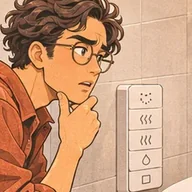
    The main buttons are 止 (stop, usually orange or red), おしり (bidet spray), ビデ (front spray) and 流す or 大/小 (flush, big/small). If you can't find the flush, look for a button or sensor on the wall, not the toilet. Free, clean toilets are in every station, convenience store and department store.

    Toalete

    Pentru Utilizatori de scaun cu rotile: Look for 多目的トイレ or 誰でもトイレ: larger accessible toilets in stations, department stores and big shops.

  • Pentru Utilizatori de scaun cu rotile: Many newer taxis (the tall, dark-blue type in Tokyo) have a ramp. Book through an app or ask your hotel to request one.

  • Trenuri, metrou și schimbăriÎn timpul călătorieiUrgent
    În timpul călătorieiUrgent

    Lost in a huge Japanese station: transfers and exits

    Follow the line colour and line letter, not the station name: in big stations each railway company has its own gates. Before you leave the platform, decide which exit you need, because the wrong exit can put you a ten-minute walk away.

    Trenuri, metrou și schimbări

    Pentru Utilizatori de scaun cu rotile: Look for the green lift signs on the platform. Station staff can also call ahead to your destination station to have a ramp ready.

  • Cutremure și tsunamiCând ceva nu merge bineUrgent
    Când ceva nu merge bineUrgent

    Earthquakes and tsunami in Japan: what the alerts mean

    When your phone screams an earthquake early warning, protect your head and get under a table, away from windows, until the shaking stops. If you're on the coast and a tsunami warning is issued, go to high ground or the upper floors of a tall concrete building immediately. Install the Safety tips app before you travel.

    Cutremure și tsunami

    Pentru Utilizatori de scaun cu rotile: Ask your hotel on arrival how they evacuate guests who can't use stairs, and where the nearest evacuation lift or refuge area is.

Urmăriți-l pe Kuroko pentru regulile nescrise ale Japoniei

Videoclipuri scurte și sfaturi rapide. O problemă, o soluție, de fiecare dată.

Alegeți limba